
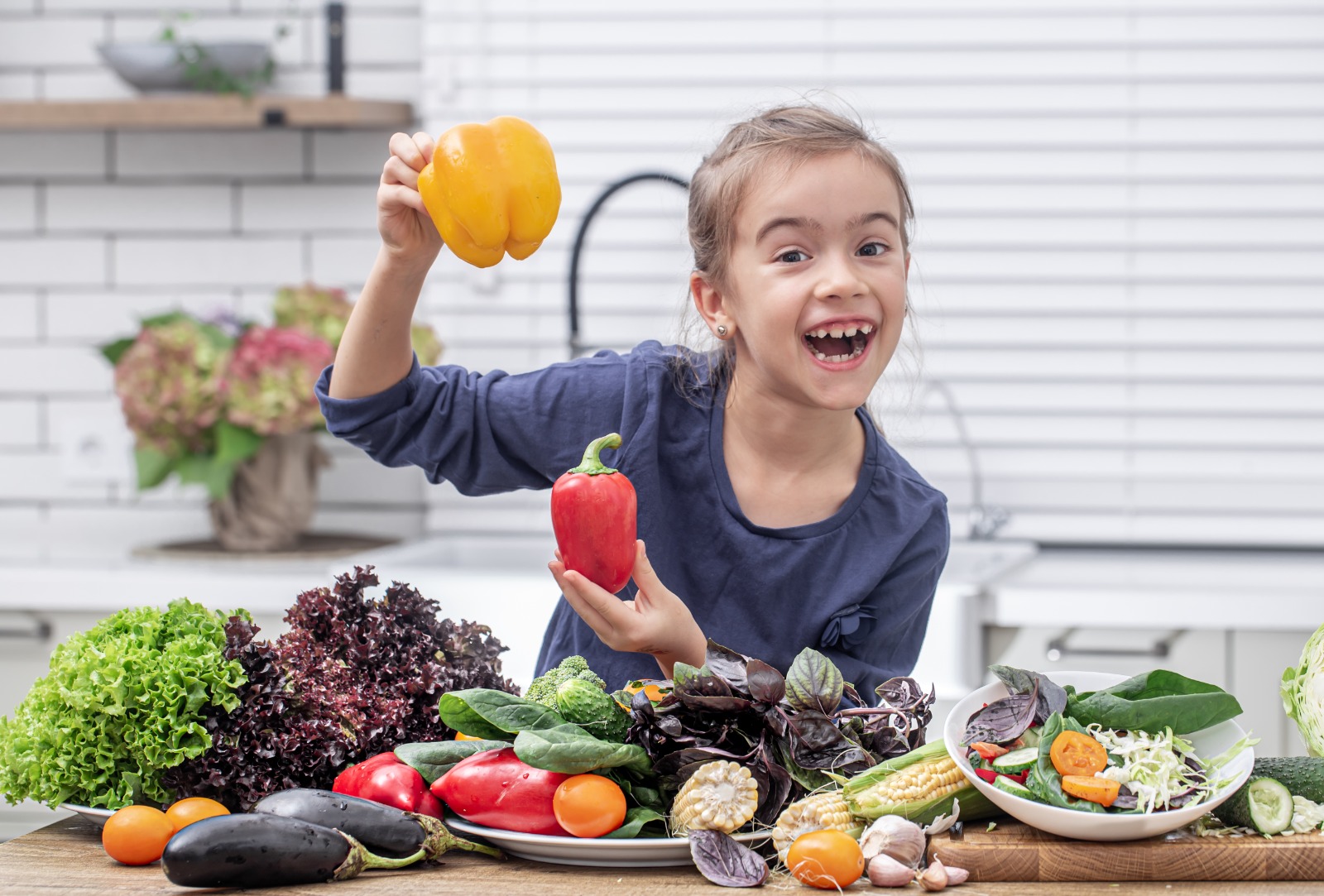
Best Immunity-Boosting Foods for Kids
Every parent wants their child to stay healthy, active, and protected from common illnesses. While no single food can prevent infections completely, a balanced diet plays a major role in supporting a child’s immune system.
Proper nutrition provides the vitamins, minerals, protein, and antioxidants that help the body defend itself against germs and recover more effectively from illnesses.
Many parents seek Pediatric Nutrition Counselling to better understand which foods support healthy growth and immunity. Building healthy eating habits early in life can contribute to better overall health and well-being throughout childhood.
Understanding Immunity in Children
The immune system is the body's natural defense mechanism against viruses, bacteria, and other harmful organisms. In children, the immune system is still developing, which makes proper nutrition especially important.
Factors such as adequate sleep, physical activity, hygiene practices, and a nutrient-rich diet work together to support immune health.
A child’s diet should include a variety of foods from different food groups rather than relying on supplements or so-called “superfoods.” The goal is to provide balanced nutrition that meets the child's developmental needs.
Top Immunity-Boosting Foods for Kids
1. Fruits Rich in Vitamin C
Vitamin C is an essential nutrient that supports immune function and helps protect cells from damage caused by free radicals.
Some excellent vitamin C-rich fruits include:
• Oranges
• Sweet lime
• Guava
• Kiwi
• Strawberries
• Papaya
Guava, in particular, contains a high amount of vitamin C and can be a nutritious addition to a child’s diet. Offering fresh fruits as snacks is often a healthier choice than processed foods.
2. Colorful Vegetables
Vegetables provide vitamins, minerals, and antioxidants that support overall health and immunity.
Include:
• Carrots
• Sweet potatoes
• Pumpkin
• Spinach
• Broccoli
• Bell peppers
Orange and green vegetables contain important nutrients such as vitamin A, which helps maintain healthy skin and mucous membranes that act as barriers against infections.
3. Protein-Rich Foods
Protein is essential for growth, tissue repair, and the production of immune cells.
Good protein sources include:
• Eggs
• Milk
• Yogurt
• Paneer
• Lentils
• Beans
• Fish
• Chicken
4. Yogurt and Fermented Foods
The digestive system plays an important role in immune health. Yogurt contains beneficial bacteria that support gut health.
5. Nuts and Seeds
Nuts and seeds provide healthy fats, vitamin E, zinc, and other nutrients that support immune function.
6. Whole Grains
Whole grains provide energy, fiber, and important nutrients. Healthy options include oats, whole wheat, brown rice, millet varieties, and quinoa.
7. Garlic and Ginger
Garlic and ginger are commonly used in many home-cooked meals and contain natural compounds that may support general health.
8. Healthy Hydration
Water is often overlooked when discussing immunity. Proper hydration supports normal body functions and helps maintain overall health.
Nutrients That Support a Healthy Immune System
Several nutrients play important roles in immune health:
• Vitamin C
• Vitamin D
• Zinc
• Iron
• Protein
Many parents benefit from Pediatric Nutrition Counselling to understand whether their child is receiving these nutrients in appropriate amounts through daily meals.
Foods to Limit
Limit sugary drinks, excessive sweets, packaged snacks, highly processed foods, and foods high in added sugars and unhealthy fats.
Practical Tips for Parents
Offer a variety of foods regularly, include fruits and vegetables in daily meals, involve children in meal preparation, and lead by example through healthy eating habits.
When to Seek Professional Guidance
Every child has unique nutritional requirements based on age, growth patterns, activity levels, and health conditions.
Pediatric Nutrition Counselling helps parents create balanced meal plans tailored to their child’s individual needs. A qualified pediatrician can assess growth, dietary intake, and overall health to provide appropriate recommendations.
Conclusion
A strong immune system is supported by consistent healthy habits rather than any single food or supplement. Fruits, vegetables, protein-rich foods, dairy products, whole grains, nuts, seeds, and adequate hydration all contribute to a balanced diet that supports a child’s overall health and immune function.
Parents should focus on providing a variety of nutritious foods, encouraging healthy lifestyle habits, and seeking professional advice when needed. Through proper Pediatric Nutrition Counselling and regular health monitoring, children can receive the nutritional foundation necessary for healthy growth and development.